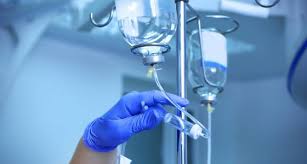
Parenteral nutrition, or intravenous feeding, is the way food reaches your body through your arteries. Parenteral nutrition, or often complete Parenteral nutrition, is the medical term for injecting a particular type of food intravenously. The goal of treatment is to correct or prevent malnutrition.
Why intravenous nutrition
You may need Parenteral nutrition for one of the following reasons:
-
Cancer
-
Crohn's disease
-
Short bowel syndrome
-
Some pediatric gastrointestinal disorders
-
Abnormal bowel function
Side effects of Parenteral nutrition
Glucose abnormalities (hyperglycemia or hypoglycemia) or liver dysfunction occur in 90% of patients.
Liver Complications: Includes liver dysfunction, painful enlargement of the liver, and increased urea levels. Increased urea levels can occur in infants, causing lethargy, strain, and general seizures. Arginine supplementation at a rate of 0.5 to 1.0 mmol / kg body weight per day can correct it.
Serum electrolyte and mineral abnormalities: should be corrected by subsequent injections or, if urgently needed, by starting injections into appropriate peripheral veins.
Metabolic bone disease (osteoporosis or osteomalacia): develops in some patients with TPN for more than 3 months. Advanced disease can cause severe pain around the joint, lower extremities and back pain.
Adverse reactions to lipid emulsions (e.g., shortness of breath, allergic skin reactions, nausea, headache, back pain, sweating, dizziness) are uncommon but may occur early.
Gallbladder complications include gallstones and gallbladder inflammation.
In general, the most common side effects of Parenteral nutrition are:
Oral ulcers, poor night vision and skin changes. If this does not go away, you should talk to your doctor.
Other less common side effects include:
-
Changes in heart rate
-
Confusion
-
Convulsions or seizures
-
Difficult breathing
-
Rapid weight gain or weight loss
-
Fatigue
-
Fever or chills
-
Increased urination
-
Jumping reflexes
-
Memory loss
-
Muscle cramps or weakness
-
Stomach ache
-
Swelling of the hands or feet
-
Thirst
-
Tingling in the hands or feet
-
Vomit
How is Parenteral nutrition done
Injection feeding from the bag containing the nutrients you need is done through a tube attached to a needle or catheter.
Using TPN, your healthcare provider inserts a catheter into a large vessel called the superior vena cava, which goes to your heart. Your healthcare provider may also place a needle-free access area that facilitates intravenous feeding.
For temporary nutritional needs, your doctor may recommend PPN.
TPN solutions
Many TPN solutions are commonly used. Electrolytes can be added to meet the patient's needs.
TPN solutions vary depending on other disorders and the patient's age, such as:
-
For the treatment of kidney failure with dialysis or liver failure: reduction of protein and a high percentage of essential amino acids
-
For heart or kidney failure: limited fluid volume
-
For Respiratory Failure: A lipid emulsion that provides most of the non-protein calories to minimize carbon dioxide production by carbohydrate metabolism.
-
For infants: low concentrations of dextrose (17 to 18%)
What are the risks of Parenteral nutrition
The highest risk of injecting food is catheter infection. Other risks include:
-
blood clotting
-
Liver disease
-
Bone disease
What are the consequences after Parenteral nutrition
Many people experience an improvement in their condition after Parenteral nutrition. You may not get rid of your symptoms, but your body can recover faster. You will probably feel more power and energy. This can help you do more despite the effects of your circumstances.