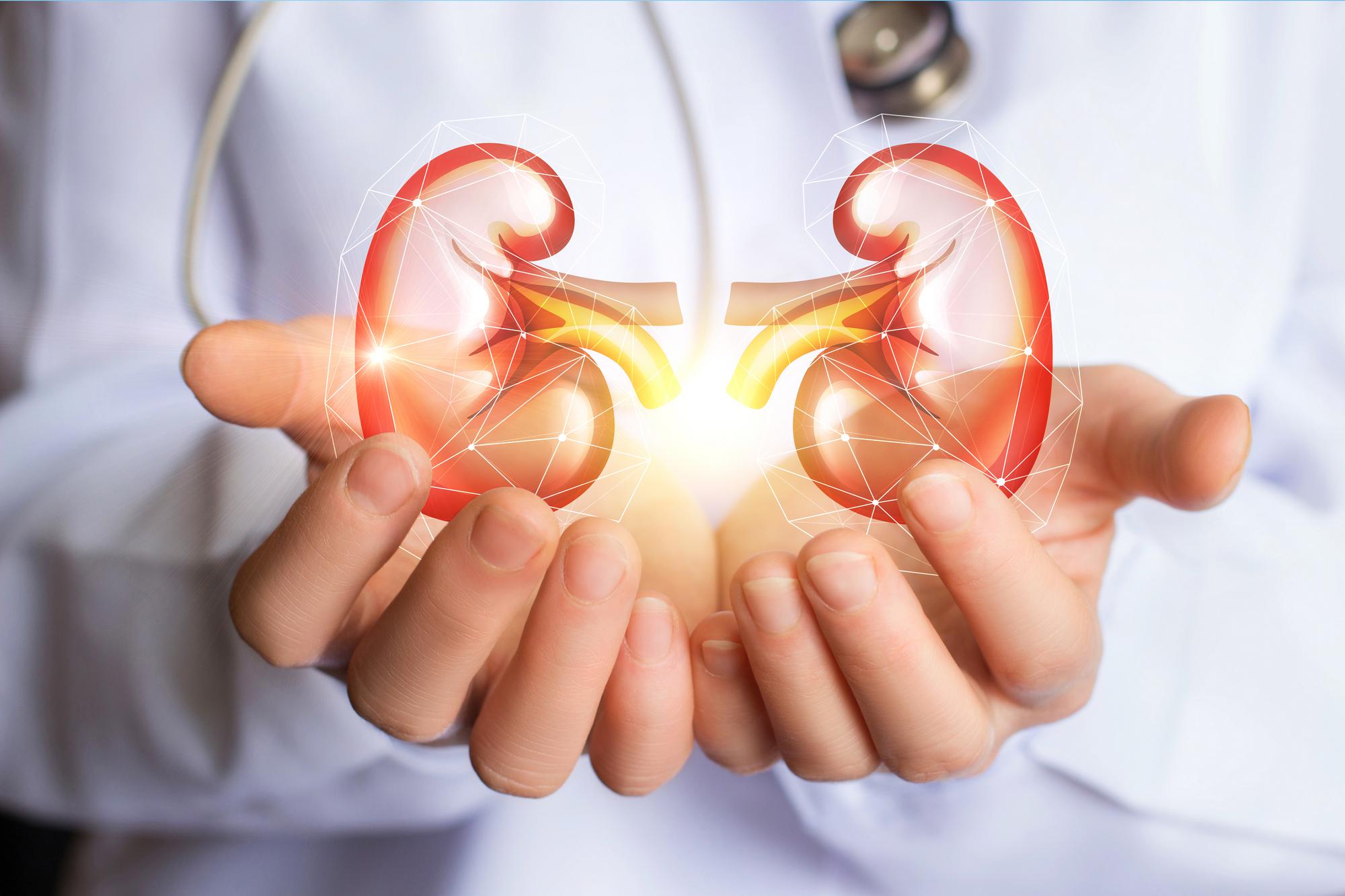
The kidneys get rid of extra minerals - such as calcium and potassium - from the bloodstream. The various compounds in the urine prevent minerals and other substances from sticking together, but sometimes they can still find each other and stick together. The result is kidney stones. About 75% of all kidney stones are made up of calcium and oxalate, a substance found mainly in plant foods. About half the time, such stones form due to high levels of calcium in the urine, which is probably an inherited predisposition.
Coffee and tea contain oxalate, but there is now ample evidence that increasing fluid intake, especially in the form of coffee or tea, reduces the risk of calcium oxalate stones. It is not clear why. Caffeine is diuretic and dilutes urine by encouraging urination, so stones are less likely to form.
Foods rich in phytate (a compound containing phosphorus in plants) or potassium appear to reduce the risk of calcium oxalate stones.
Contrary to many people's beliefs, calcium-rich diets also protect against calcium oxalate stones - and do not promote it - although the same cannot be said of calcium pills. Not drinking enough fluids and consuming too much salt, protein (especially meat), and sugar increase the risk.
All of these cases are well represented in men of all ages and women over 45 years of age. A Harvard study of women under the age of 45 found similar results with important exceptions: high sodium intake did not increase the risk of kidney stones, and high potassium intake did not reduce it.
On the other hand
The best way to prevent kidney stones is to keep your body hydrated. So drink plenty of water.
If a person has a history of kidney stones, there is conflicting information about the safety of drinking tea.
In general, experts say you should limit your tea consumption because it contains oxalate. About 80% of kidney stones are composed of calcium oxalate.
(Some sources suggest that drinking tea may reduce the risk of kidney stones. If this is true, it is probably because tea drinkers drink a lot of fluids and stay well hydrated.)
It is not clear that reducing foods and drinks high in oxalate can prevent kidney stones in most people. But we do know that some people with a history of kidney stones excrete large amounts of oxalate in the urine. These people should probably limit their consumption of foods and drinks rich in oxalate.
Even if you excrete a lot of oxalates, drinking one or two cups of herbal or green tea is probably safe. They contain only a small amount of oxalate. If your urinary oxalate levels are normal, you can drink even more. (You can reduce the amount of oxalate by using a tea bag instead of loose tea leaves for brewing).
The amount of oxalate in black tea is much higher than in herbal and green tea. But for unknown reasons, some studies have shown that kidney stone recurrences are lower in people who drink black tea. But until we have more conclusive evidence, it is probably best to avoid black tea.