Tropical sprue definition
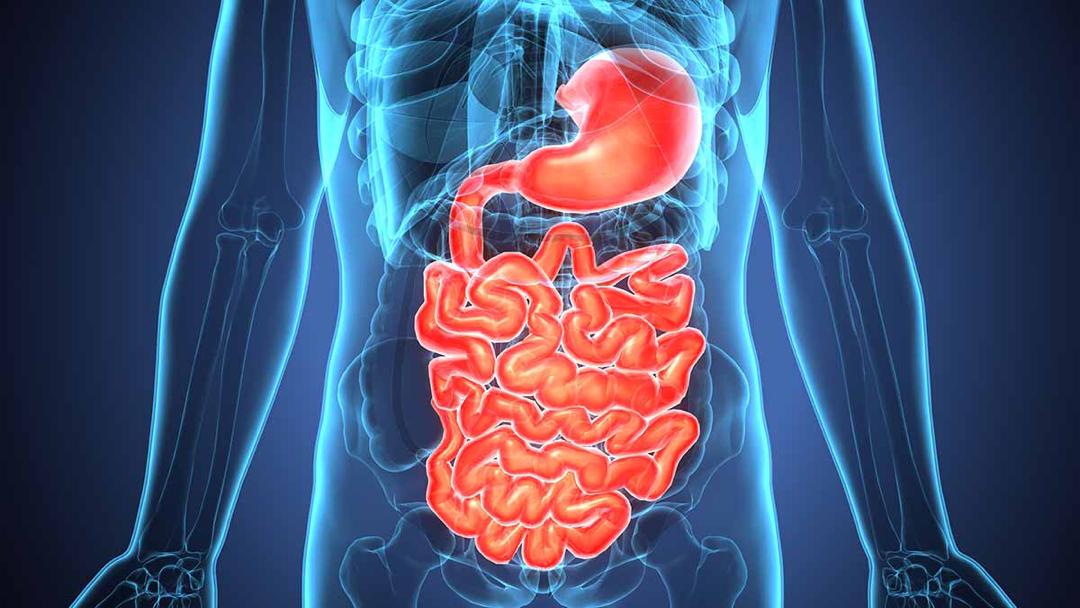
Tropical sprue is an acquired malabsorption condition of probable infectious etiology. On the other hand, it is a chronic diarrheal disease that involves the small intestine and is characterized by malabsorption of nutrients, especially folic acid and vitamin B12. It is a clinical syndrome with unknown etiology. It is more common in adults than in children, who are normally more frequently affected by most infective diarrheal diseases, and this condition is commonly found in the tropical regions. It is found in specific locations, southern India, the Philippines and several Caribbean islands.
The exact pathogenesis sequence of tropical sprue remains incompletely characterized. Bacterial overgrowth, disturbed gut motility, and hormonal and histopathologic abnormalities contribute to the development of tropical sprue in a susceptible host.
Histology for tropical sprue
Tropical sprue and Celiac are the most frequent enteropathies that cause the malabsorption syndrome While the pathophysiology among these disorders is quite different. Histological findings in TS may be indistinguishable from those in celiac disease which is part of the differential diagnosis for TS. However, TS involves the entire length of the small bowel while celiac disease typically spares the terminal ileum. Villous blunting is noted, but the complete villus flattening that can be seen in celiac disease is rare in TS.
Tropical sprue symptoms
Patients may experience some symptoms such as:
-
Acute Diarrhea with fever and malaise
-
Malnutrition (arises from involvement of both the proximal and distal small intestine)
-
Flatulence
-
Abdominal cramps
-
Weight loss
-
Fatigue
-
Steatorrhea
-
Glossitis
-
Peripheral edema
Tropical sprue diagnosis
Some other conditions have signs and symptoms similar to tropical sprue like:
-
IBS
-
Crohn’s disease
-
Ulcerative colitis
diagnosis of tropical sprue should be made only when there is malabsorption of two or more unrelated nutrient groups and after other known causes of malabsorption have been excluded.
There are two methods for diagnosing sprue
-
Endoscopy with small-bowel biopsy
-
Blood tests to screen for consequences of malabsorption
Upper endoscopy generally reveals normal mucosa, but small bowel biopsies will show an increase in intraepithelial lymphocytes and blunting of villi.
The three tests commonly used in investigating absorption are
-
stool fat estimation (the most reliable test)
-
absorption of D-xylose
vitamin B12D-xylose malabsorption is found in about 99% of patients, steatorrhea is seen in about 90% and vitamin B12 malabsorption in 60–90%
clinical manifestations of tropical sprue and their causative factors
-
Diarrhea as a result of malabsorption of nutrients
-
Pale, bulky foul-smelling stool as a result of malabsorption
-
abdominal fullness as a result of carbohydrate malabsorption
-
Night blindness as a result of vitamin A deficiency
-
Weight loss as a result of malabsorption and anorexia
tropical sprue treatment
Treatment of this disorder in its early stages may result in rapid and complete recovery. If treatment is begun in later stages the return to normal intestinal function may be slower and in some cases, it may become chronic.
Treatment for tropical sprue includes
-
Folic acid
-
Cobalamin
-
Antibiotics
The dosage of these medications depends on the severity of the disorder as well as how the patient responds to therapy.
For healing tissue in the small intestine, folic acid and tetracycline can be more useful.
When patients return to nontropical regions, will generally recover completely after treatment.
Diet therapy in tropical sprue
Treating malabsorption is also very important. The doctor should replace vitamins, fluid and electrolyte. Patients may give:
Fluid and electrolyte, iron, folic acid and vitamin B12
Dietary interventions were emerging as effective treatments for the alleviation of diseases such as pellagra and beriberi
Deficiencies of folic acid and vitamin B12 can lead to megaloblastic anemia.
Some ways to minimize exposure to the causative agent
-
drinking water
-
peeling fruit
-
avoiding raw unpeeled vegetables
Treatment of tropical sprue with folate and B12 cures the macrocytic anemia and the accompanying glossitis and often results in increased appetite and weight gain.
The typical regimen consists of 5-10mg/ day of folic acid for 6 months, though a longer duration of therapy may be necessary.
Dietary restriction on long-chain fatty acids also helps to reduce diarrhea.