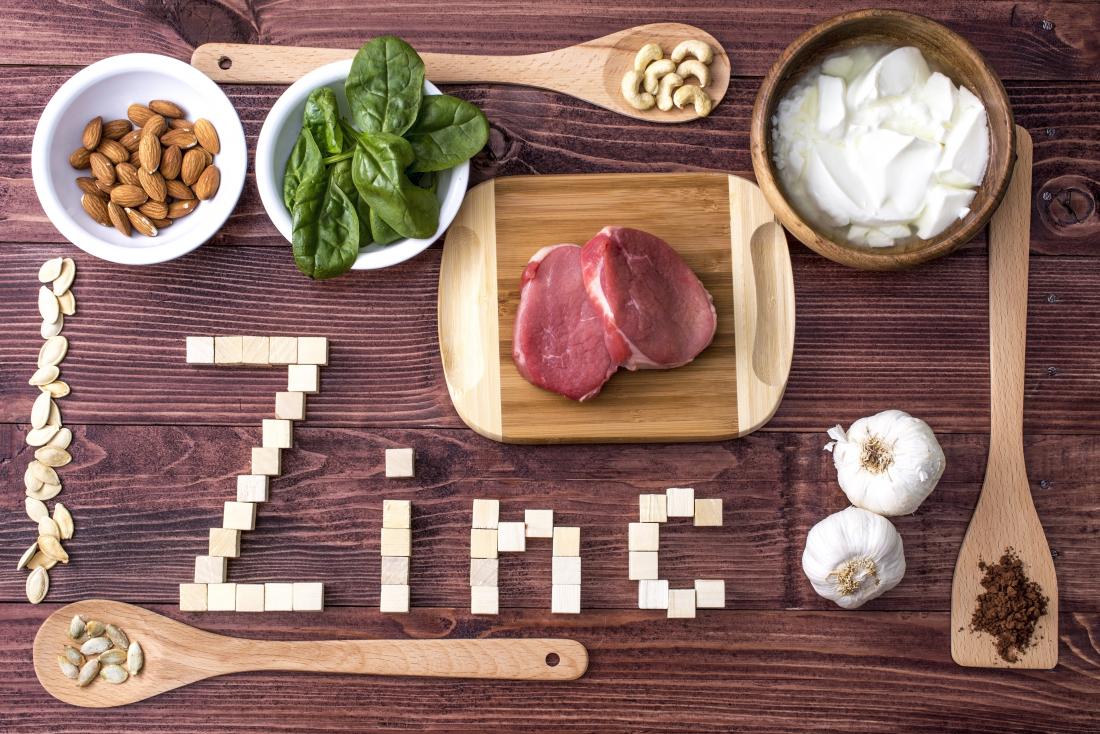
Zinc is an essential mineral that is naturally present in some foods, added to others, and available as a dietary supplement. Zinc is also found in many cold lozenges and some over-the-counter drugs sold as cold remedies.
Estimating the prevalence of zinc deficiency is difficult because plasma or serum zinc concentrations, the most widely used indicators of zinc 258 Comparative Quantification of Health Risks deficiency at the population level, have not been assessed in national or regional surveys in developing countries. Even in developed countries, such indicators are not used for methodological and cost reasons.
Sources of Zinc
-
Red meat.
-
Chicken and other poultry.
-
Seafood, particularly oysters (which are loaded with zinc), crab, and lobster.
-
Nuts.
-
Grains, beans, lentils, and split peas.
-
Spinach.
-
Dairy products - Milk, yogurt, cheese.
-
Fortified breakfast cereal.
Causes of Zinc Deficiency
A poor diet can cause zinc deficiency. So it is more common in malnourished children and adults and in people who are unable to eat a normal diet due to circumstances or illness. Lots of zinc intake is from meat and seafood, so vegetarians may be more prone to deficiency. The greater demand caused by pregnancy and breastfeeding may also cause zinc deficiency.
Problems with the guts can lead to problems absorbing zinc.
People who drink excessive alcohol can also not absorb zinc normally. Long-term illnesses, such as chronic liver or kidney disease can also result in low absorption of zinc. High-dose iron supplements can also affect the way zinc is absorbed, leading to deficiency.
In general, groups at Risk of Zinc Inadequacy:
-
People with gastrointestinal and another disease.
-
Vegetarians
-
Older infants who are exclusively breastfed
-
People with sickle cell disease
Symptoms of Zinc Deficiency
Zinc deficiency is characterized by growth retardation, loss of appetite, and impaired immune function. In more severe cases, zinc deficiency causes:
-
Losing weight.
-
Loose stools (diarrhea).
-
Having no energy.
-
Being more prone to infections, such as colds, coughs, and chest infections.
-
Losing your hair.
-
Skin rashes.
-
Problems with eyesight, taste, or smell.
-
Impotence.
Treatment and Nutrition Therapy in Zinc Deficiency
Zinc deficiency is largely related to inadequate intake or absorption of zinc from the diet, although excess losses of zinc during diarrhea may also contribute.
Nutritional needs should be met primarily from foods. Foods in nutrient-dense forms contain essential vitamins and minerals and also dietary fiber and other naturally occurring substances that may have positive health effects. In some cases, fortified foods and dietary supplements may be useful in providing one or more nutrients that otherwise may be consumed in less-than-recommended amounts. Supplements contain several forms of zinc, including zinc gluconate, zinc sulfate, and zinc acetate. The percentage of elemental zinc varies by form.
A person can also try to increase their intake of zinc-containing foods. Examples of these include:
-
oysters
-
beef chuck roast
-
fortified breakfast cereals
-
baked beans
-
yogurt
-
chickpeas
-
instant, plain oatmeal
-
milk
Mild zinc deficiency should be treated with zinc supplementation at two to three times the recommended dietary allowance (RDA), whereas moderate to severe deficiency can be treated four to five times the Treatment should last for six months.
ü soaking beans in water before cooking them can reduce the presence of phytates, making it easier for the body to process the zinc.
ü Choosing leavened grain products can also help reduce the number of phytates, increasing the amount of zinc for the body to use.