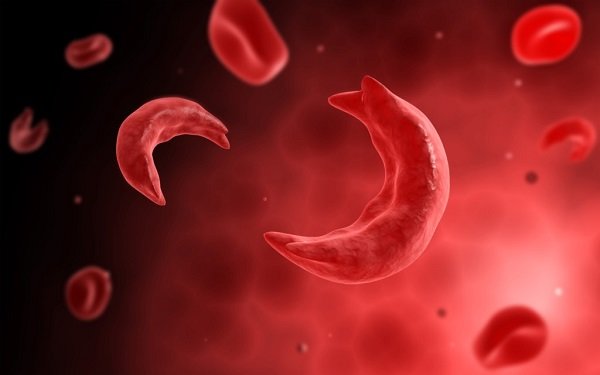
Sickle cell anemia (SCD) is a genetic disease of red blood cells (RBCs). Normally, red blood cells form discs that give them the flexibility to pass through even the smallest blood vessels. However, in sickle cell anemia, the red blood cells have an abnormal crescent shape resembling a sickle. This makes them sticky, stiff and prone to clogging the small blood vessels that prevent blood from reaching different parts of the body. This complication can cause pain and tissue damage.
Sickle cell anemia is an autosomal recessive disease. You need two copies of the gene to get the disease. If you have only one copy of the gene, you are a carrier of this type of anemia.
Symptoms of sickle cell anemia
-
Excessive fatigue or irritability
-
Irritability (in infants)
-
Bed-wetting (kidney problems)
-
Jaundice (in eyes and skin)
-
Swelling and pain in the hands and feet
-
Recurrent infections
-
Pain in the chest, back, arms or legs
-
Complications of sickle cell anemia
-
Severe anemia
-
Delayed growth in children
-
Nervous complications
-
Eye problems
-
Skin wounds
-
Heart disease and problems
-
Lung disease
-
Chest Syndrome
-
Spleen damage
-
Nutrition in sickle cell anemia
A diet rich in fruits, vegetables, whole grains, and legumes that provides more essential nutrients than a regular diet, and proper use of supplements (1-3 times the recommended dietary allowance for essential nutrients) can prevent nutritional deficiencies and may reduce the likelihood of disease exacerbation.
Diet with high in nutrients
The average energy intake of sickle cell patients is usually below optimal values even during the asymptomatic phases of the disease and it drops to roughly half the recommended levels during times of illness, especially when the patient needs to be hospitalized. As a result, children with sickle cell anemia are at risk for impaired growth and significantly lower fat and fat-free mass, though obesity is also a risk, especially in female adolescents. Standard nutritional assessment methods used to calculate energy needs usually underestimate the amount of resting energy in people with sickle cell patients. A careful dietary evaluation and possible addition of energy supplements are recommended.
Adequate fluid intake to maintain hydration
Patients with sickle cell anemia who exercise in the heat without enough fluid consumption, are more likely to have sickling of red blood cells than those who maintain well-hydrated status during their exercise.
Micronutrients
Blood levels of several vitamins and minerals, including vitamin A and carotenoids, vitamin B6, vitamin C, vitamin E, magnesium and zinc, are often low in sickle cell patients. These deficiencies significantly reduce the antioxidant status of the blood in these patients, and the resulting oxidative stress may increase the risk of developing acute chest syndrome.
Studies show that supplementation of zinc, magnesium, vitamins A, C and E or treatment with a combination of high-dose antioxidants can reduce the percentage of sickled cells. Plant antioxidants, such as flavonoids, may also reduce oxidative stress in sickle cell anemia.
Omega 3 fatty acid supplements
The serum phospholipids in sickle cell patients have a reduced amount of both alpha-linolenic acid and long-chain omega-3 polyunsaturated fatty acids (EicosaPentaenoic acid (EPA) and Docosahexaenoic acid (DHA)), compared with healthy individuals. These long-chain omega-3 fatty acids increase the fluidity of red blood cell membranes, which may prevent the complications and crises of sickle cell anemia. According to new studies, EPA and DHA supplements have significant therapeutic benefits including reduction of severe anemia.