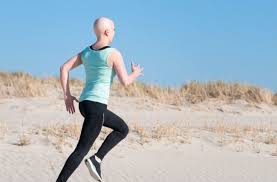
The relationship between physical activity and cancer risk
-
Bladder cancer: An analysis of the results of more than 1 million people showed that physical activity in leisure time is associated with a 13 % reduction in the risk of bladder cancer.
-
Breast cancer: Women who were very physically active had a 21-12% lower risk of breast cancer than those who were less physically active.
-
Colon cancer: People who had the most physical activity were 19 percent less likely to develop colon cancer than those who had the least physical activity.
-
Endometrial cancer: Women with high mobility are 20 % less likely to develop endometrial cancer than women with low physical activity.
-
Esophageal cancer: People who had the most physical activity were 21% less likely to develop esophageal cancer than those who did not.
-
Kidney cancer: People who were most physically active were 12% less likely to develop kidney cancer than those who were least active.
-
Stomach cancer: People who most physically active were 19% less likely to develop stomach cancer than those who were least active.
How physical activity works that reduce the risk of cancer
-
Decreased levels of sex hormones and growth factors
-
Prevent high levels of insulin in the blood
-
Reduce inflammation
-
Improves immune system function
-
Changes in metabolism reduce the time required to digest food
-
Through the gastrointestinal tract
-
Help prevent obesity
The recommended amount of physical activity
-
• Perform 150 to 300 minutes of moderate-intensity aerobic activity, 75 to 100 minutes of intense aerobic activity.
-
• Perform muscle-strengthening activities at least 2 days a week
-
• Balance exercises, in addition to aerobic activity and muscle strengthening
Physical activity and its effort on cancer survivors
Physical activity can reduce anxiety, symptoms of depression, and fatigue, ad improve quality of life and health-related physical function. Exercise is good for bone health and sleeps quality. Physical activity can help prevent heart poisoning or peripheral neuropathy (inflammation of the peripheral nerves) from chemotherapy or improve cognitive function, cognition, nausea, pain, sexual function, or treatment tolerance.
Exercise during cancer treatment
Exercise is an important part of your cancer treatment program. Many studies show that regular exercise can greatly improve physical and mental health at any stage of treatment.
Benefits of exercise
-
Reduces the risk of physical complications such as fatigue, neuropathy, lymphedema, osteoporosis, and nausea.
-
Reduces the risk of depression and anxiety.
-
Increases your mobility and dynamism.
-
Improves your balance and reduces fall injuries.
-
Prevent muscle loss and build strength
-
Prevents weight gain and obesity, which are associated with an increased risk of cancer.
-
Improves sleep
-
Reduces the length of hospital stay.
-
Increases the effectiveness of cancer treatments.
-
Increase the chances of survival in some cancer, such as breast cancer, and colon cancer.
-
Reduces the risk of other cancers.
-
Prevents other diseases such as heart disease and diabetes.
-
Improves the quality of life.
Consider the following points before exercising during treatment
-
The type of cancer you have.
-
Therapies used
-
Side effects you experience
-
Your fitness level
-
Other health problems
Things to include in your workout plan
-
Breathing exercises
-
Attraction
-
Balance exercises
-
Aerobic exercise
-
Strength training
Exercise safely during treatment
If you have side effects from cancer or its treatment, it is important to follow important tips when exercising. You may have to change your exercise program depending on your specific side effects. How are some other ways to get the most out of your workout safely:
-
Exercise in a safe environment.
-
Slowly increase your activity level.
-
Listen to your body.
-
Drink plenty of water.
-
Have a nutritious diet.
-
See your doctor regularly.