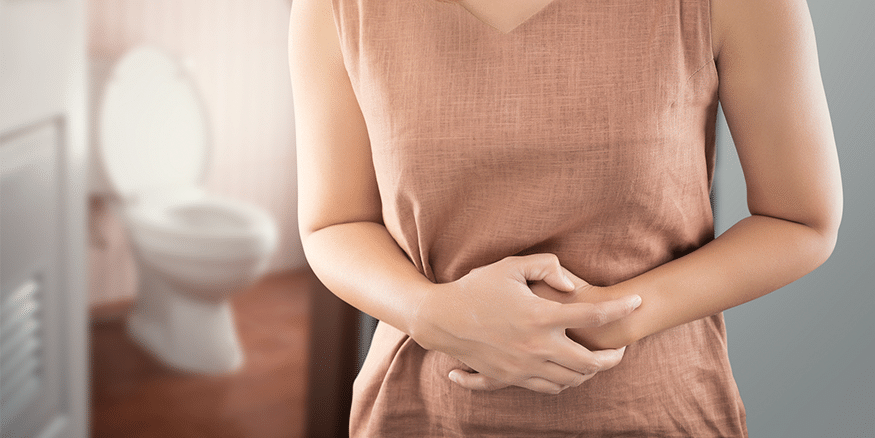
Diarrhea is the most common gastrointestinal disorder and causes of dehydration in childhood. Diarrhea is mainly seen in children up to five years of age, especially in infants in the second half of life and children up to three years of age.
Diarrhea occurs when the contents of the intestine are expedited through the small intestine and loose stools are excreted three or more times a day.
The main causes of diarrhea are gastrointestinal infections, viral and bacterial, and rarely food poisoning and other factors.
Since dehydration and nutrient imbalance are the most important complications, it is clear that compensating for lost body fluids and an adequate diet is the basis of a child’s treatment.
Methods of diagnosing diarrhea
-
Blood and stool tests
-
Endoscopy
-
Imaging studies
-
Histology
-
Physiological tests
Causes of diarrhea in infants and children
-
Inflammatory disease
-
Fungal, bacterial, or viral infections
-
Medicines
-
Excessive consumption of sugar or other osmotic substances
-
Food intolerance
-
Food poisoning
Symptoms of diarrhea in children
-
Fever
-
Abdominal pain at least 3 days a month
-
Gastrointestinal bleeding
-
Loss of weight
-
Insomnia
-
Night sweats
-
Changes in the frequency of defecation
-
Stool bulking
The medical treatment regimen for diarrhea in children
The first stage of medical diarrhea treatment regimen in children is the replacement of essential fluids and electrolytes, using ORS oral solution, soup and juicy foods, vegetable juices, and isotonic fluids.
Commercial solutions such as Pedialyte, Rehydralyte, etc. usually contain less sugar and less salt, and are often available over-the-counter in pharmacies, which are a good dietary treatment for diarrhea in children.
During attacks of acute diarrhea, a significant proportion of children aged 9 to 20 months who are constantly given a liquid or semi-solid diet can receive food through the mouth. (Even with acute diarrhea,)
As a result, the gut can absorb up to 60% of the food eaten.
Adherence to the BRAT diet is not recommended in children who contain limited amounts of nutrients.
Children with diarrhea are advised to use the LOW FOD MAPS diet.
Also, be sure to avoid foods with high FOD MAPS.
Foods high in FOD MAPS include garlic, asparagus, onions, mushrooms melons, watermelons, plums, peaches, dates, sausages, smoked meats, beans, lentils, cashews, pistachios, and avocados.
-
Try to eliminate juice from your baby’s diet because children are usually unable to digest the sugars in the juice and these sugars accumulate in the colon and cause watery stools.
-
Try to give your child foods containing probiotics such as yogurt. But your baby is not able to digest dairy products such as yogurt and cheese; he or she may actually have lactose intolerance; so try to limit consumption of the mentioned substances to them (in these people).
-
Fat in the diet slows down the passage of food through the digestive tract and thus eliminates the effects of diarrhea. So diet with the right fats can be effective (on) in treating diarrhea.
-
Children with diarrhea usually have constipation before; therefore, a high-fiber diet can be useful to treat these people.
-
Try to follow a diet that is low in balanced fats, non-absorbable carbohydrates and FOD MAPS and high in fiber. (as well as low in FOD MAPS.)
Children with diarrhea should be avoided the following ingredients
-
Fried foods
-
Fatty foods
-
Processed foods
-
Sweets
-
Sausages and hot dogs
Try to avoid foods that cause gas in the gastrointestinal tract; for example, broccoli, peppers, beans, peas, berries, plums, peas, green leafy vegetables, and corn.